
How K-Lifesport Manufactures Commercial Curved Treadmills for Modern Fitness Facilities
How K-Lifesport Manufactures Commercial Curved Treadmills for Modern Fitness Facilities
From precision metal components to final assembly, K-Lifesport’s production line brings every detail of its curved treadmill manufacturing process into focus.
In the commercial fitness equipment industry, a treadmill is more than a running machine. It is a combination of structural engineering, user experience, durability, and manufacturing precision.
At K-Lifesport, part of K-Lifesport Sports Goods Co., Ltd., we believe that the quality of a finished fitness machine begins long before it reaches a gym floor.
It begins on the production line.
From metal fabrication and component preparation to assembly, adjustment, and final inspection, our manufacturing team works through each stage with a clear focus: building reliable fitness equipment for commercial environments.
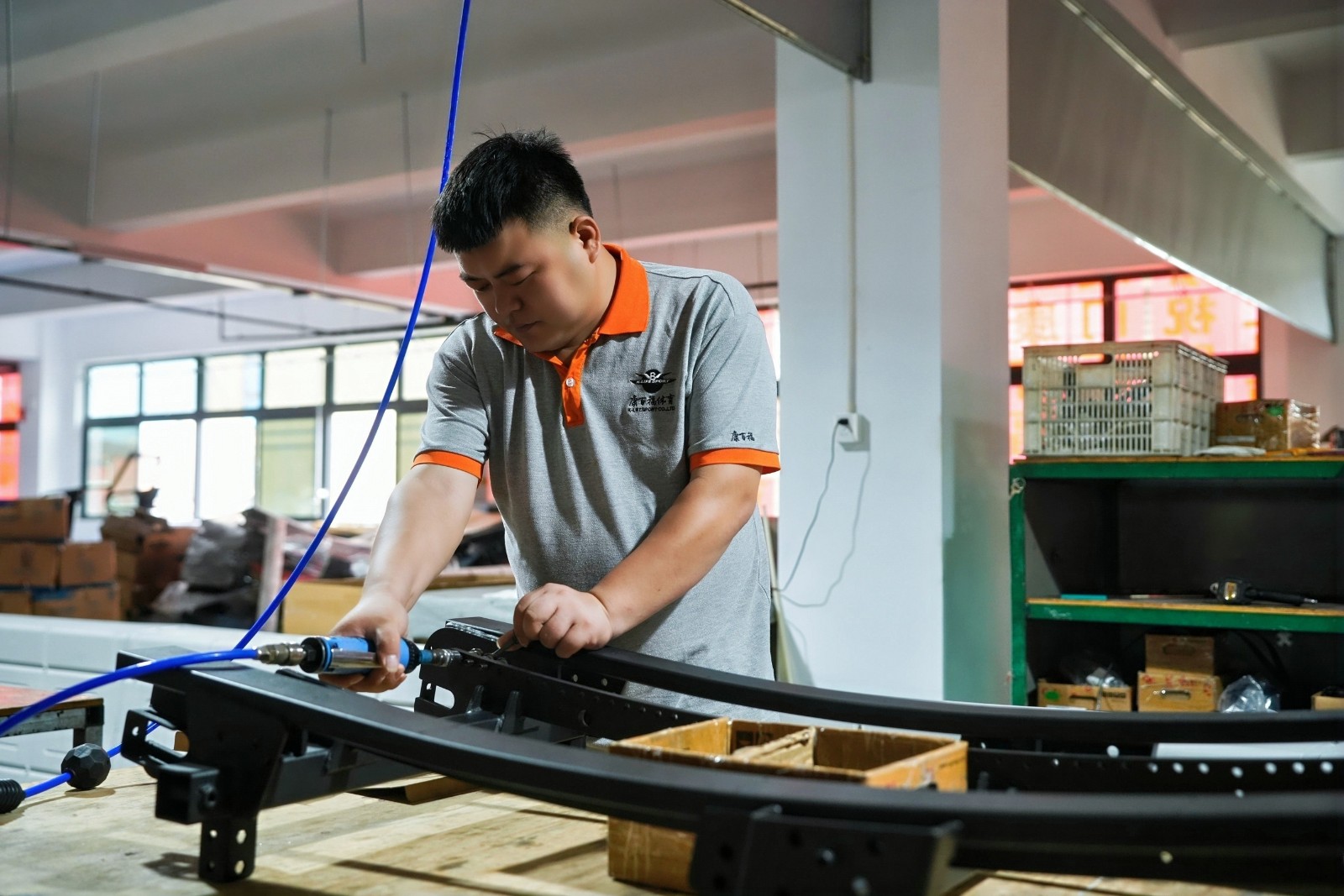
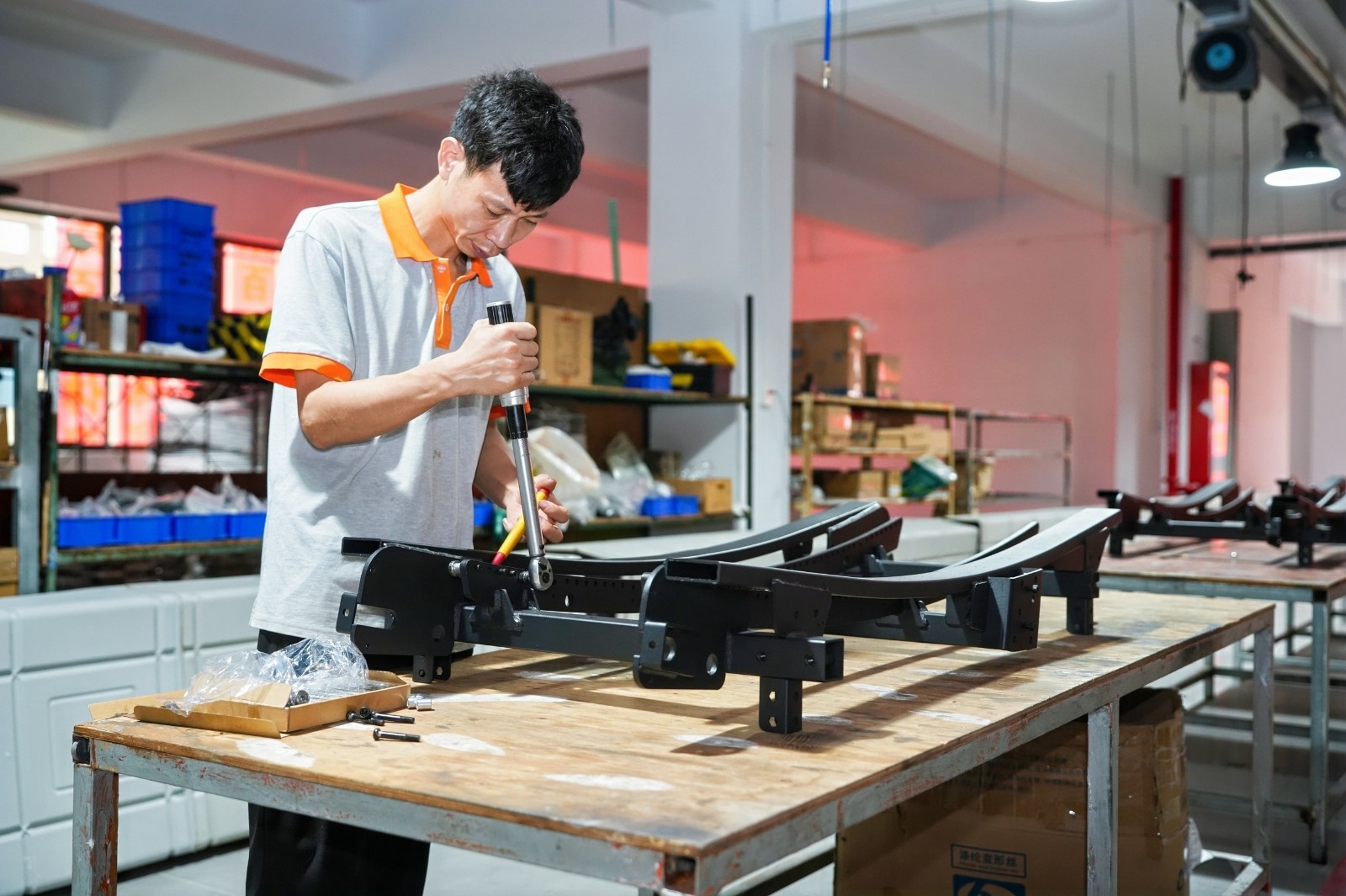
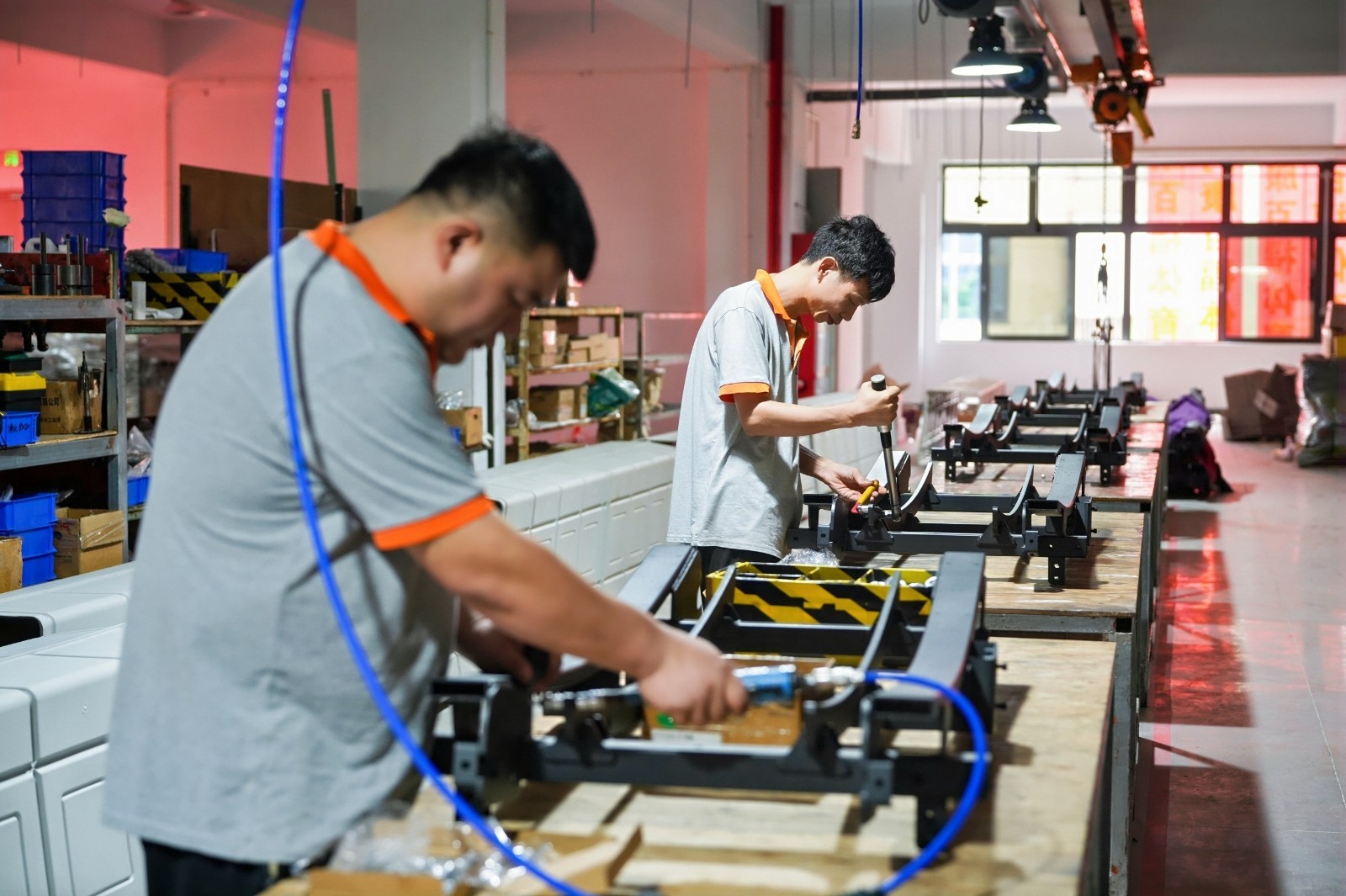
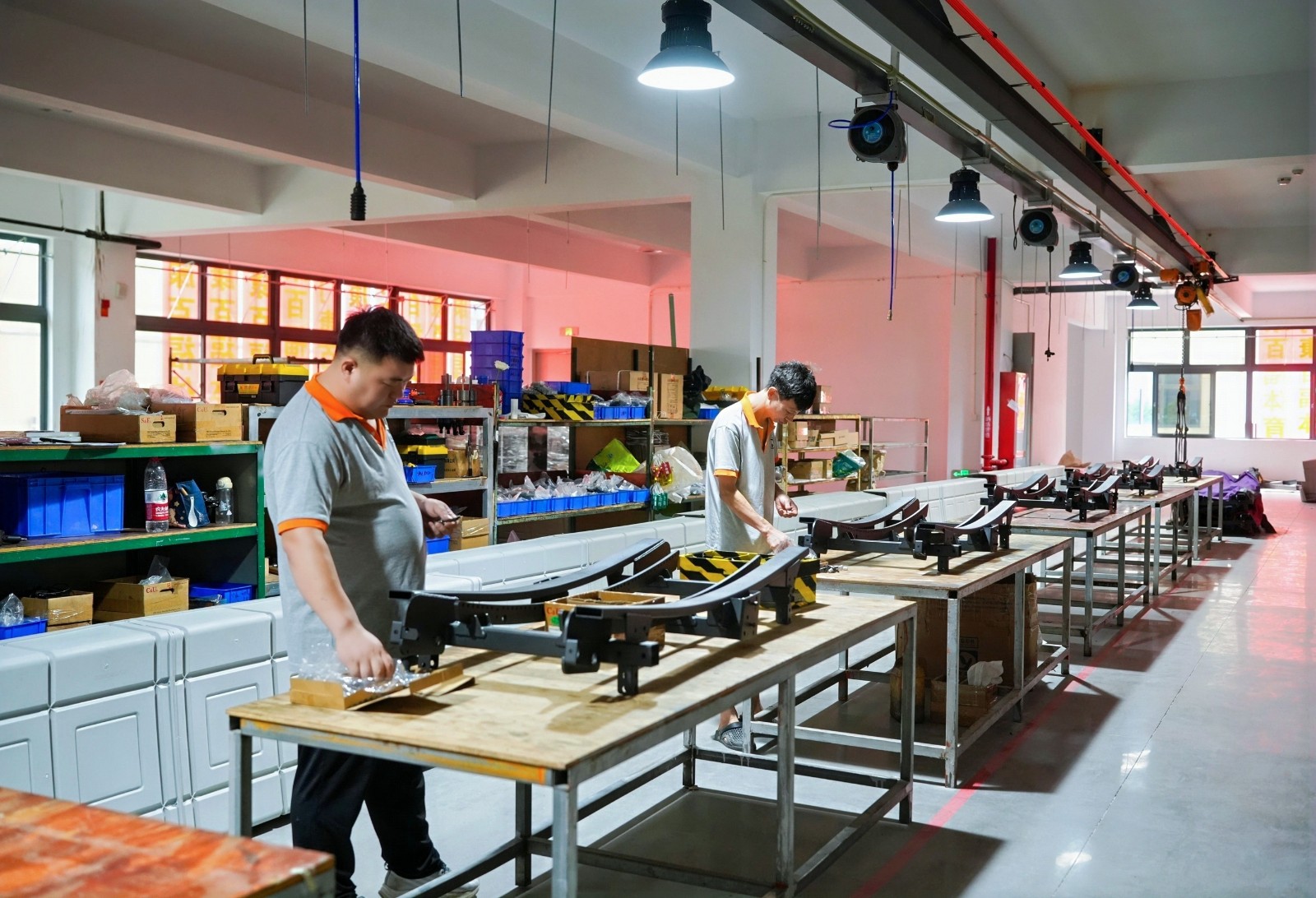
Inside the K-Lifesport Production Line
Walk through our production workshop and one of the first things you notice is the number of individual components that go into a single piece of fitness equipment.
Metal frames, curved running structures, brackets, fasteners, rollers, bearings, and other mechanical components must work together accurately to create a smooth and stable running experience.
Our production line is organized around this principle.
Each workstation focuses on a specific stage of manufacturing and assembly. Components are prepared, positioned, assembled, adjusted, and inspected before moving further down the production line.
This workflow allows our team to pay attention to the details that may not be visible once the machine is installed in a fitness club—but that can make a significant difference during long-term commercial use.
The Structure Behind a Curved Treadmill
Unlike conventional motorized treadmills, a curved treadmill uses a curved running surface and relies on the user's own movement to drive the running belt.
That means the mechanical structure of the running system is particularly important.
During production, our technicians work carefully with the curved frame and running components to ensure that the different parts are correctly positioned and securely assembled.
The curved running surface needs to work together with the belt, rollers, bearings, and supporting structure as one complete system.
This is one of the reasons why manufacturing details matter.
A curved treadmill may look relatively simple from the outside, but behind that simple appearance is a combination of mechanical components that must work together consistently.