Spinning Bike Beginner's Guide: 8 Correct Riding Steps for Quick Slimming and Shaping Your Glutes!
Spinning Bike Beginner's Guide: 8 Correct Riding Steps for Quick Slimming and Shaping Your Glutes!
Newbie cyclists! Spinning bike is a high-intensity aerobic exercise that is very helpful for improving heart and lung function and physical fitness. This sport encourages and motivates each other, and is especially suitable for those who want to lose fat. Can't ride a spinning bike?? Here comes the beginner's guide~
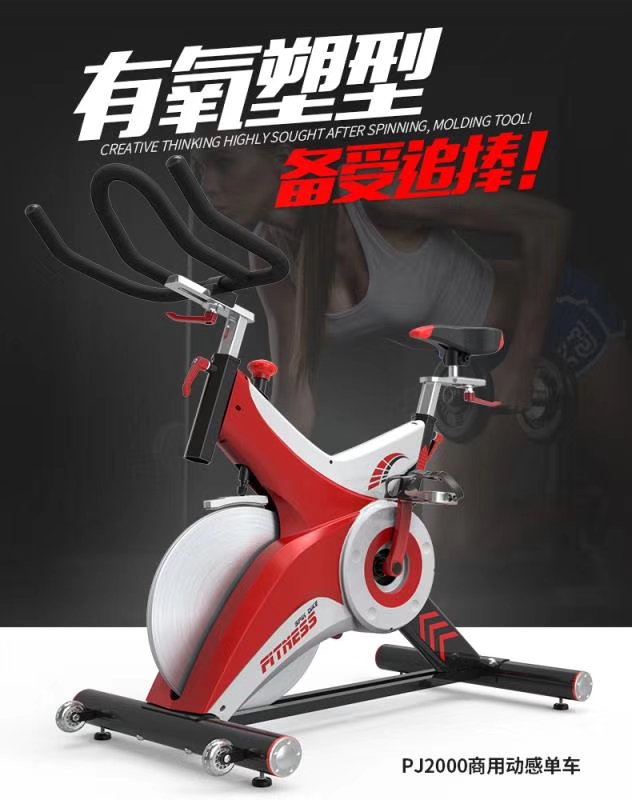

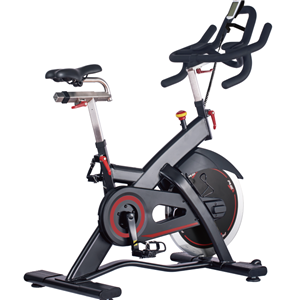
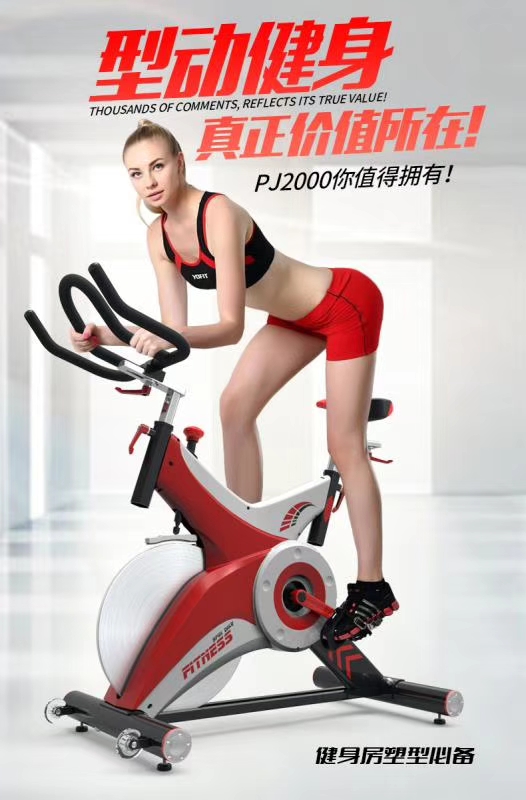
The standard sitting posture for a spinning bike involves several adjustments, including the height of the seat, the height of the handlebars, and the riding posture. Here is a detailed adjustment guide:
1.Adjustment of the seat height
Stand on the side of the rear seat of the bicycle. Raise the thigh on the side close to the seat to make it parallel to the ground. The height of the seat should be the same as the height of the front side of the thigh. Adjust and change the height of the seat through the knob.
2. Adjustment of the front-to-back position of the seat
After sitting firmly, when the pedal is in a horizontal position, the most prominent part of the knee should be directly above the widest part of the sole of the foot to ensure a vertical force application trajectory. Another way to verify: when the elbow joint is pressed against the front end of the seat and the forearm and palm are fully extended, the middle finger should just be able to touch the handlebar.
3. Adjustment of Handlebar Height
The height of the handlebars can be adjusted according to your flexibility and the condition of your back. If you are a beginner or have a lower back injury but it is not in the acute stage, it is recommended to raise the handlebars relatively. If you have some training experience, good flexibility and no lower back pain, you can lower the handlebars to approximately the same height as the front end of the seat.
4. Riding Posture
Keep your back in a neutral position and slightly draw in your abdomen to avoid slouching or arching your back. Your weight should be evenly distributed between your ischial tuberosities and the pedals.
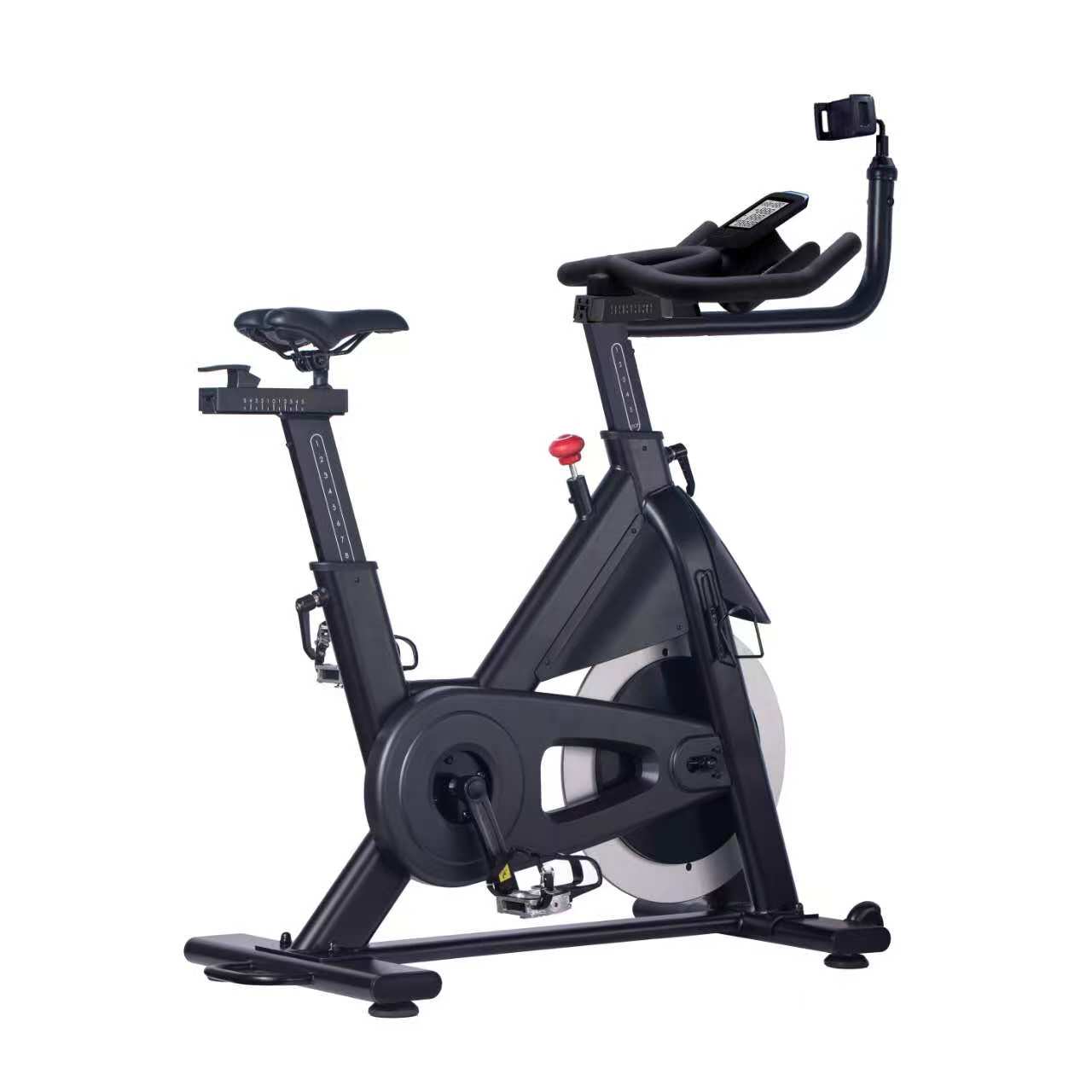
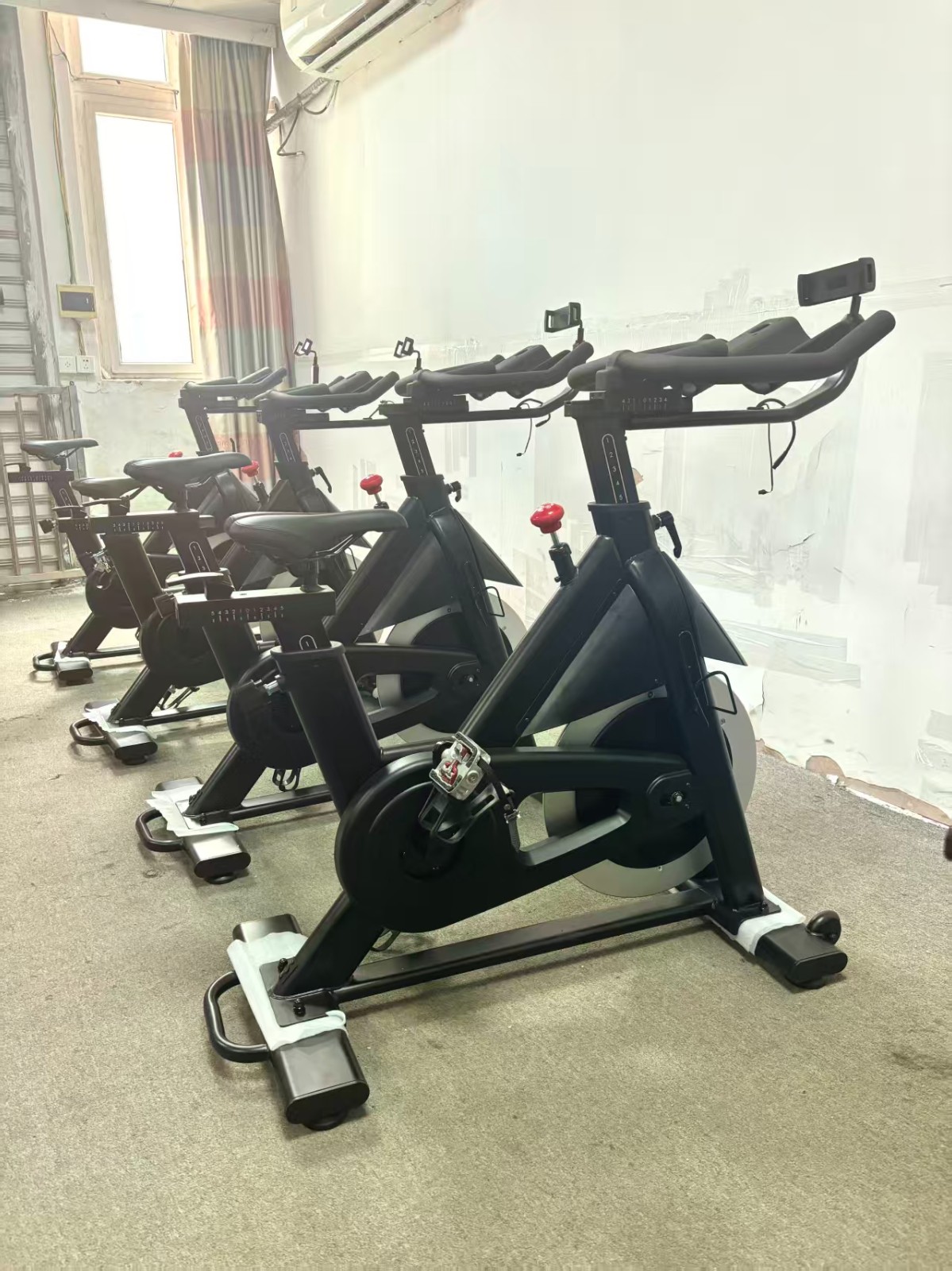
Correct posture:
(1) Keep your upper body stable and your back straight.
(2) Use the four force application methods of "push, pull, lift, and kick" to pedal in a circular motion.
(3) Do not splay your feet outward, and avoid standing on your tiptoes when pedaling to prevent cramps.
(4) Pull the brake before getting off and make sure the bike is stable before dismounting.
5. Key Techniques for Adjusting the Handle
Keep your hands at shoulder-width apart, with the elbows slightly bent and close to your body. Avoid excessive outward or inward rotation.
When riding in a standing position, you can hold the handlebars at a higher position to enhance stability; when riding in a sitting position, choose a lower handlebar position to reduce pressure on your shoulders and neck.
6. Adjusting Resistance: Set the resistance to the minimum level. It is recommended to start with a lower resistance and gradually increase it as the body gets accustomed to the resistance and gains confidence in cycling. Ensure that the body temperature, training intensity, and training effect are maintained.
7. Cycling Posture and Resistance Combination of the Stationary Bike:
(1) Sitting position for cycling: This is the simplest cycling method on the stationary bike, suitable for warming up, aerobic fat burning, and relaxation stages. Generally, it is paired with medium to low resistance. It is recommended to perform 10-20 minutes of sitting position warm-up before each exercise.
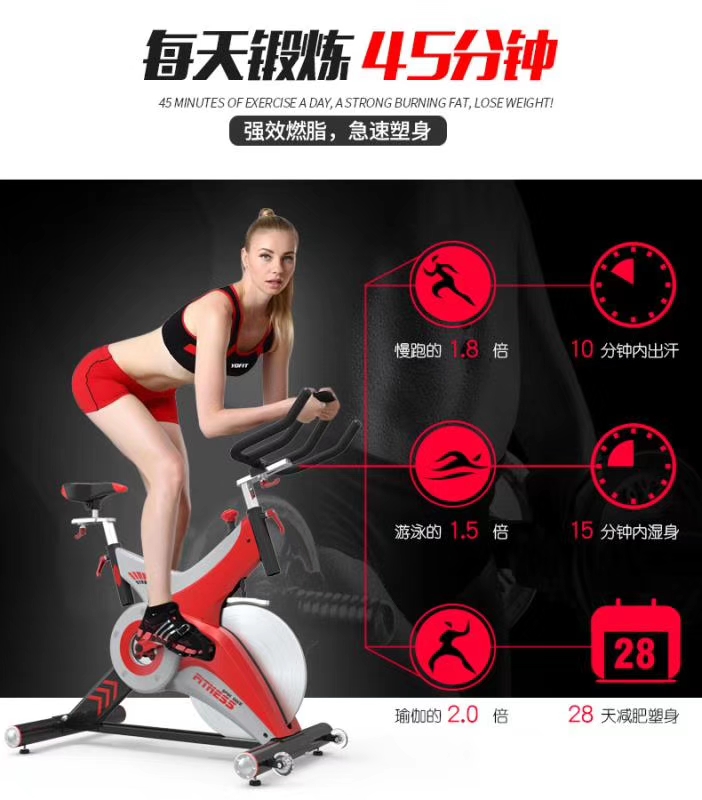
(2) Sitting position climbing: Move the center of gravity forward on the sitting position cycling, lower the upper body, and use the arms to exert force to maintain stability. Generally, it is paired with moderate-intensity resistance.
(3) Standing position cycling: Move the center of gravity slightly forward on the sitting position cycling, stand up, and this movement is similar to running, which can exercise more muscles. Since the body weight can counteract some resistance, it is generally paired with medium to advanced resistance.
(4) Standing uphill riding: This is the most challenging position. It requires maintaining a standing position while riding smoothly, shifting the center of gravity forward to effectively exercise the quadriceps muscles of the thighs and the triceps muscles of the calves. Usually, the maximum resistance is combined to enhance the exercise effect.